Mobile Devices: A Promising Future for Antidetect Browser?
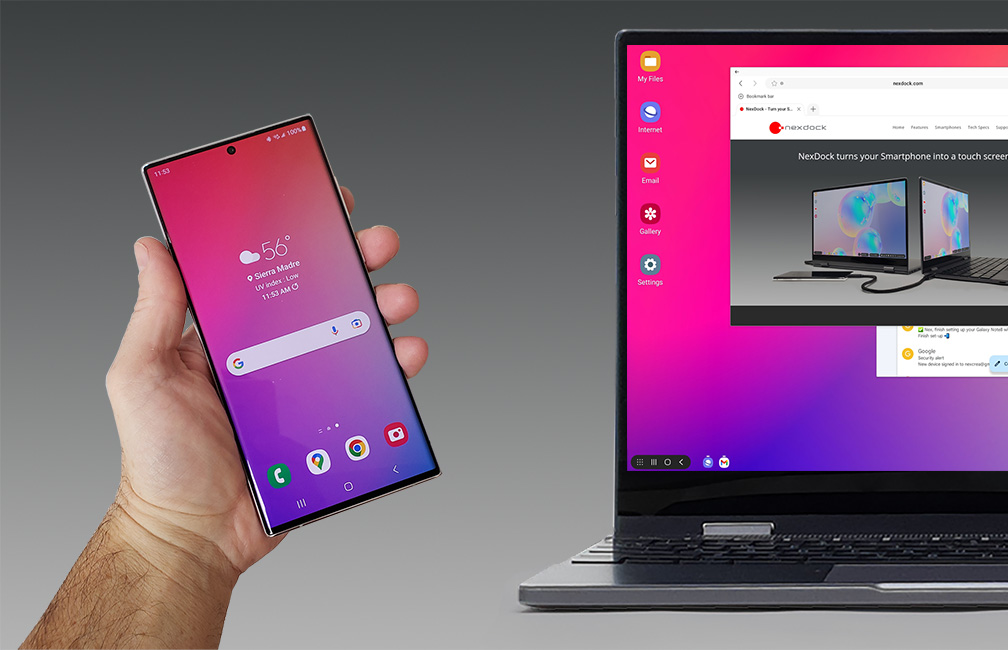

Let's start with a question: what device are you using to read this content? A reasonable guess would be a smartphone or a laptop, or perhaps even a used desktop. Over the past decade, smartphones have gradually outpaced desktop computers, making it harder for other devices to compete in terms of internet access. The only remaining competitor is the laptop, but in many cases, it has also taken a backseat. So how has this happened, and how will the Antidetect Browser industry evolve in the future?

Mobile Devices vs. Desktop Computers
According to data from StatCounter, as of April 2021, mobile devices accounted for 54.61% of global Internet access, far surpassing desktops at 42.63%, with tablets holding a mere 2.76% share. This demonstrates the widespread popularity of mobile devices, which have rendered tablets less appealing and hardly a significant competitor, especially since many tablets are classified as mobile devices due to their phone-like operating systems.
However, it’s worth noting that these statistics vary by region. For instance, countries such as Germany, the USA, the UK, Canada, and France still favor desktop usage (a term that often includes laptops) despite the significant role mobile devices play in daily life. Globally, the trend clearly shows a sharp rise in mobile adoption, and this trajectory is likely to continue.
Users tend to gravitate toward smartphones because of their affordability and accessibility. For as little as $100–$300, one can own a smartphone, whereas the average cost of a computer starts at around $500, making smartphones more accessible to a wider audience.
Additionally, mobile devices offer unmatched convenience. For example, you can easily pull out your phone from your pocket to book a taxi within seconds, something a desktop simply cannot achieve, especially given its lack of portability. While desktops still have certain advantages, the flexibility and user-friendliness of mobile devices are increasingly winning over users.
Furthermore, mobile websites and applications are continually improving, delivering smoother user experiences that are now comparable to desktops. This combination of affordability, convenience, and enhanced usability has firmly positioned mobile devices as the dominant choice for global Internet access.
Where’s the Problem?
You might think the information above seems unrelated, but it’s crucial, especially if you’re looking to create multiple Google accounts to promote your products. This may come as a surprise, but it’s true. If you’re familiar with our blog, you’ll know that the primary goal of any Antidetect Browser is to blend seamlessly into the regular user community without standing out.
When you operate like a normal user casually browsing the Internet or engaging in small business activities, websites are more likely to trust you. In this scenario, you won’t raise suspicion, and therefore websites won’t perceive you as a bot or someone violating rules. Simply put, the more you differ from typical users, the more likely websites are to flag your activity, which could lead to a sudden ban.
The significant differences between mobile and desktop devices also play a role here. Social media platforms have heavily invested in enhancing the mobile user experience. Most social networks today prioritize development for mobile platforms.
As a result, if you plan to manage multiple accounts on platforms like Facebook, Instagram, TikTok, or LinkedIn, it’s crucial to consider doing so on mobile devices. This is because the majority of social media users now access these platforms through smartphones rather than desktop computers.

Will Antidetect Browsers on Mobile Devices Dominate the Market?
The market is evolving rapidly, and relying solely on PCs to manage multiple accounts may soon no longer be sufficient. If you’re wondering how to hide your IP on iPhone or Android, there’s both good and bad news. The bad news is that masking your IP is no longer enough to guarantee 100% anonymity and secure your work, even on mobile devices. However, the good news is that Antidetect Browsers now offer versions specifically designed for mobile platforms.
Why is simply blocking IP tracking on mobile no longer enough? Website security systems are becoming increasingly sophisticated, making a single proxy insufficient to bypass their controls. More than just hiding your IP is required to avoid being tracked.
Today, mobile users are considered more trustworthy compared to desktop users. This isn’t just because mobile devices have become a daily necessity, but also because tools for masking identities on mobile remain relatively limited. While proxies and VPNs are available, they cannot fully obscure fingerprinting—a critical factor when it comes to managing multiple accounts. This shift underscores the growing demand for advanced solutions like mobile-compatible Antidetect Browsers, which can address these challenges by blending better with regular mobile users’ activities.

Will This Trend Cause Computers to Disappear from Store Shelves? It’s possible that laptops may gradually replace traditional desktop PCs, but mobile devices are not poised to completely dominate the landscape anytime soon. Desktop computers still hold their own advantages:
Higher Conversion Rates: Online purchases made via desktop computers have double the success rate of those made on mobile devices. Additionally, desktop users tend to have shopping carts nearly 25% larger in value.
Incomplete Mobile Adoption: Despite widespread smartphone ownership, some businesses have yet to fully invest in comprehensive mobile app development.
Superior Computing Power: Desktops excel in handling computationally demanding tasks, making them indispensable for industries requiring high hardware performance.
Recommendation: Prioritize mobile optimization but do not disregard desktop systems. Their larger screens and robust capabilities remain invaluable..
Conclusion
The rapid growth of mobile devices is not only reshaping internet usage habits but also paving the way for the future of Antidetect Browsers on mobile platforms. With their convenience, accessibility, and increasing trust among users compared to desktops, mobile devices dominate web access and social media interaction. However, merely hiding an IP address is no longer sufficient for maintaining anonymity and security on today’s sophisticated platforms.
The move toward mobile-focused Antidetect Browsers addresses the growing demand for managing multiple accounts while safeguarding identities more effectively. Businesses and individuals aiming to protect privacy or operate multiple accounts can now leverage the flexibility of mobile devices alongside traditional computing power. In a world that is becoming increasingly mobile-centric, the rise of Antidetect Browsers tailored for mobile platforms is not just a trend—it represents the future of online security.
Have further questions or need support from Hidemium? Contact us today!
Related Blogs

In the digital era, online platforms such as Facebook, Google, TikTok, Amazon, Shopee, and others continuously leverage AI and Big Data to analyze browser fingerprints, user behavior patterns, and connections between accounts. This puts individuals and businesses managing multiple accounts at high risk of suspension if they lack the right solution. Antidetect browsers have emerged as a “shield,”[…]

As businesses become increasingly dependent on the online environment, protecting systems against Distributed Denial of Service (DDoS) attacks is more essential than ever. These attacks not only disrupt services but also cause significant losses to businesses.To protect themselves, businesses need to apply anti-DDoS measures to detect and prevent these attacks. Hidemium stands out as a[…]

In the context of the increasingly expanding Internet, IP addresses are the core element for connecting and identifying devices. However, many proxy users still encounter limitations when using IPv6 proxies, especially on major platforms such as Google, Facebook, Amazon, eBay, TikTok and many other popular services. So why is IPv6 proxy access limited? Why are mainstream platforms still not[…]
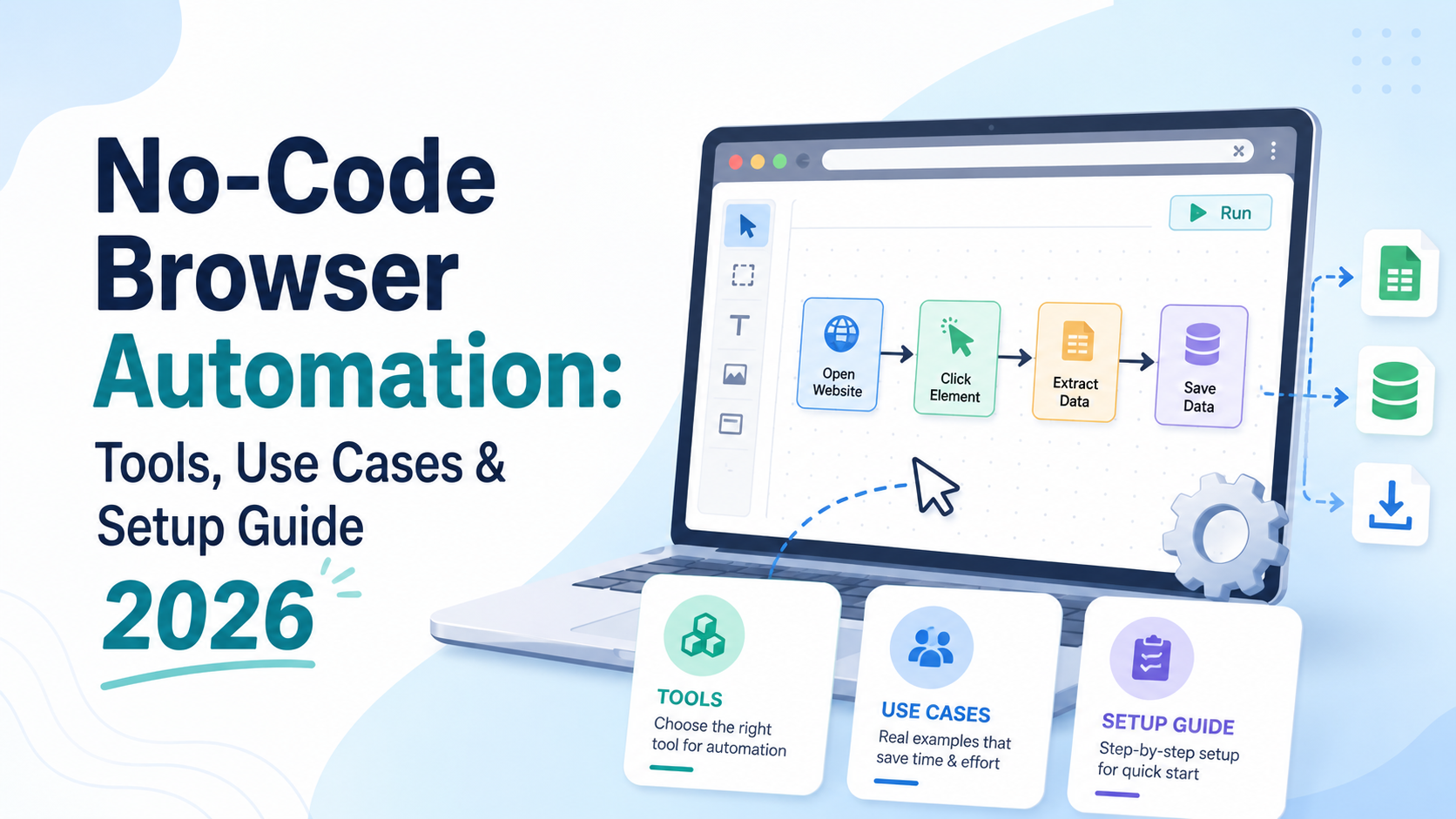
What Is No-Code Browser Automation — and Why Does It Matter in 2026?For years, browser automation was the exclusive domain of developers. If you wanted to automate repetitive web tasks — filling forms, scraping data, clicking through workflows, or managing multiple accounts — you needed to write code in Python, JavaScript, or another language. Tools like Selenium, Playwright, and Puppeteer were[…]

Accessing blocked websites is no longer difficult if you know how to properly use a Proxy. This is considered one of the most optimal solutions to bypass internet restrictions while maintaining privacy and personal data security. Let Hidemium walk you through 3 easy-to-apply Proxy methods for firewall circumvention!1. Use web-based Proxy servicesProxy websites act as intermediaries that help hide[…]
.png)
Reddit "We Had a Server Error": Causes and How to Fix It (2026)You're following an interesting thread on Reddit when a notification suddenly pops up: "We had a server error. Try again later." You're probably feeling annoyed — the message interrupts everything you're doing. So what does this error actually mean, and how do you fix it quickly?In short, it's a message telling you there's a problem[…]
