What is Site-to-Site VPN? Explained & Compared with Client-to-Site

VPN Site-to-Site and VPN Client-to-Site are two widely used virtual private network connection models, especially in businesses that need to ensure data security and remote access. If Client-to-Site VPN is suitable for individuals who need to access internal systems remotely, Site-to-Site VPN plays the role of connecting branches together through an encrypted connection, operating as a unified internal network.
This article will help you better understand each type of VPN, how it works, and the specific benefits – especially when combined with an antidetect browser like Hidemium for enhanced security and easy access management.
1. What is Site-to-Site VPN?
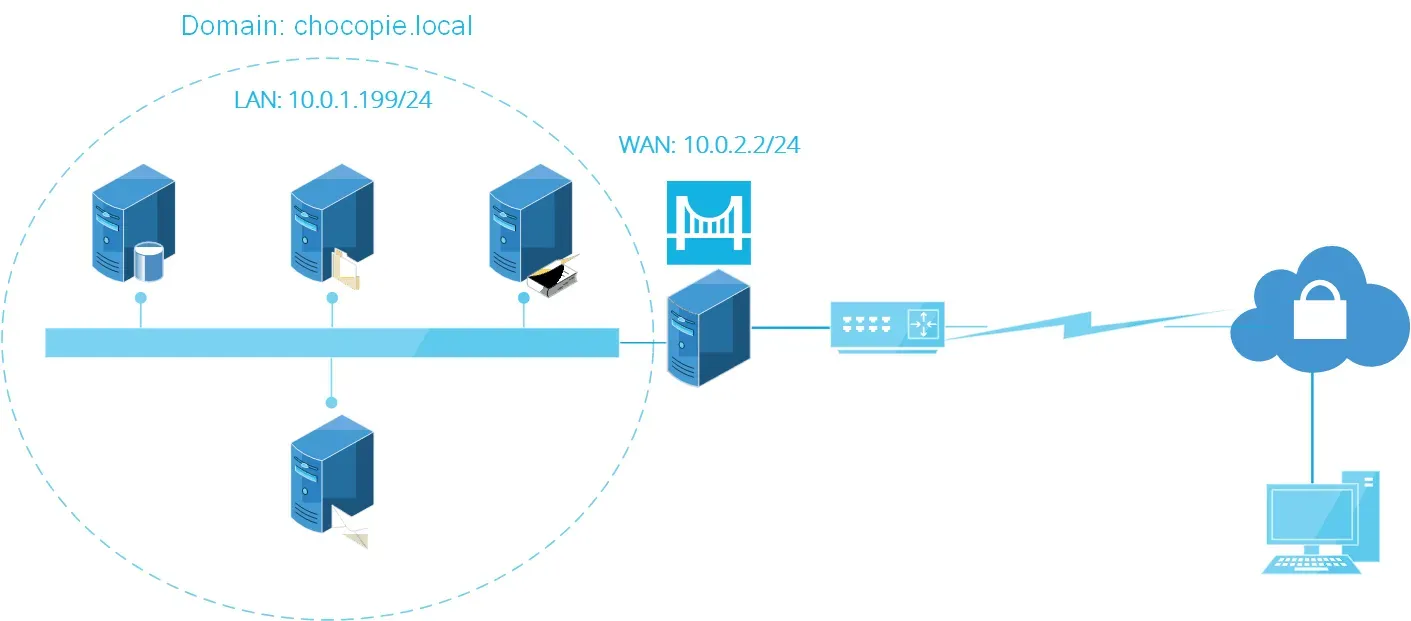
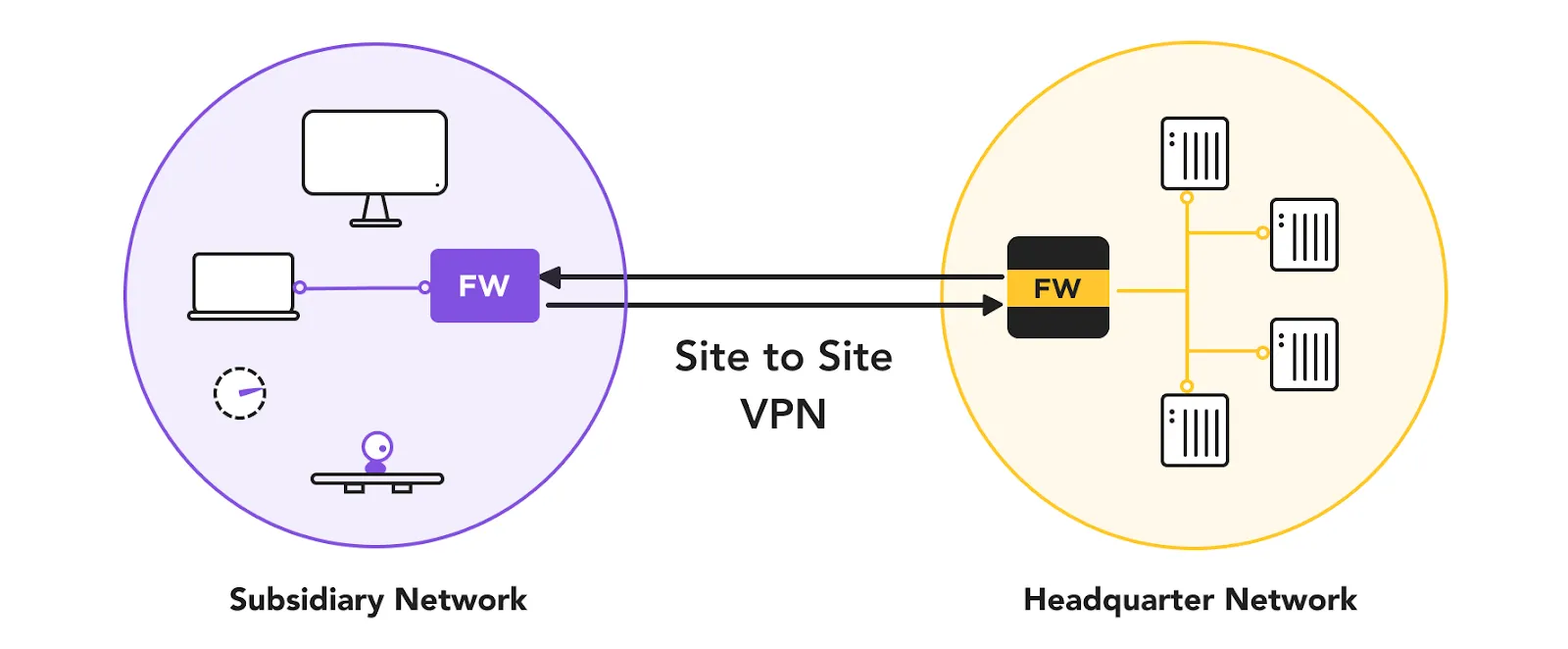
VPN Site-to-Site is a secure connection solution between multiple local area networks (LANs) at different locations through an encrypted VPN tunnel. This technology helps businesses' offices, branches or data centers communicate as a unified network system, while ensuring the security of all data transmitted over the Internet.
Thanks to its smart encryption and routing, Site-to-Site VPN Enhanced Security, while helping businesses maintain stable and seamless internal communication and performance.
>>> Learn more: What is Radmin VPN? How to Download it for Free
2. What is Client-to-Site VPN?
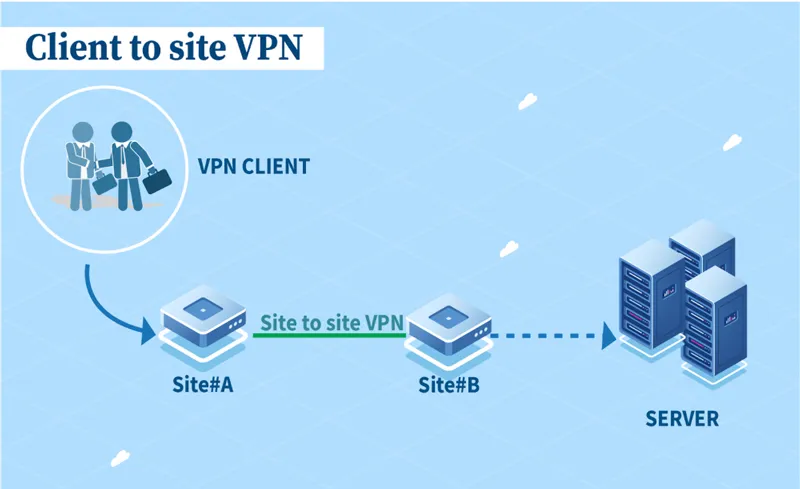
VPN Client-to-Site is a model that allows individual users to securely access corporate network systems remotely, through VPN software installed on personal devices (laptops, phones, etc.).
This solution creates an encrypted data tunnel between personal devices and the company's internal network. This keeps data protected even when accessed from public Wi-Fi networks.
Protocols commonly used for this model include PPTP, L2TP, IPsec, SSL/TLS, providing high customization of security and connectivity performance – especially suitable for hybrid and remote working models.
>>> Learn more: Top 10 Best Free VPN Apps for Android in 2025
3. How Site-to-Site VPN Works
Site-to-Site VPN works based on the setup of an encrypted tunnel between two LANs at different geographical locations. At each end point of the connection, usually a router or firewall, will perform data encryption and decryption, ensuring that the entire transmission is secure.
Data is transmitted over the Internet but still keep privacy as an internal network, thanks to strong security protocols and streamlined routing configuration. Using Site-to-Site VPN allows branches to connect and operate as if on the same network, creating a smooth, seamless working experience.
4. Site-to-Site VPN vs Client-to-Site VPN: Which is the right choice?
When implementing a secure network system for a business, choosing between VPN Site-to-Site and VPN Client-to-Site depends on purpose of use and organizational size. Each solution has its own characteristics, suitable for different situations and user groups.
Criteria | VPN Site-to-Site | VPN Client-to-Site |
| Intended use | Connect LANs at multiple offices and branches into a single internal network | Allows individual users to securely access the corporate network remotely |
| Target audience | Enterprises with many branches and offices | Remote workers, freelancers, or individual users |
| Connection method | Automatically establish connections between networks without any action from the end user | Users install VPN software and connect manually via personal devices |
| Security level | Data is encrypted through secure tunnels between networks | Data is encrypted from user device to corporate network |
| Connection Management | Administrator setup and control at each location's network gateway | Users self-manage connections via VPN application |
| Configuration complexity | Complex configuration, requiring specialized techniques – suitable for large enterprises | Easy to deploy and use, suitable for individuals or small and medium businesses |
>>> Learn more: How to Fake IP Effectively Using VPN and Proxy
5. Advantages and Disadvantages of Site-to-Site VPN
VPN Site-to-Site is the optimal choice for businesses with many branches, helping to connect the internal network system seamlessly and securely. However, those benefits come with higher technical and infrastructure requirements.
Advantage:
Safe and stable connection between offices or branches.
Share resources effectively such as printers, internal servers without having to set up each location separately.
Long-term cost reduction by synchronizing the network instead of deploying separate networks for each site.
Automate connections, no user action required.
Disadvantages:
Complex configuration, requiring highly specialized IT staff.
Depends on network infrastructure quality– weak connections can affect the whole system.
High initial investment cost due to the need for specialized hardware and software.
System expansion takes time because reconfiguration is required when adding a new office.
Site-to-Site VPN and Client-to-Site VPN are both essential security solutions for modern businesses. Depending on your needs – connecting networks between offices or supporting remote work – you can choose the appropriate configuration. Don’t forget to optimize your infrastructure and have a clear deployment strategy to ensure long-term efficiency and security.
>>> RELATED ARTICLES:
Related Blogs

Google Chrome is a popular browser but not the best choice when you need Manage Multiple X Accounts (Twitter) at the same time. In this article, we will explore the limitations of Chrome, the role of browser fingerprint, and why antidetect browser Hidemium is a superior solution for creating and operating multiple secure accounts.1. Is it possible to create multiple X accounts on[…]
Have you ever wondered why the SEO rankings you see are completely different from those of your customers or competitors? This is a common problem that causes many businesses to lose millions of dollars in profits every year.The bottom line is this: over 79% of SEO professionals admit that the search results they see don't match the actual results users get. This is because of personalized[…]
What is Expressvpn? This is one of the keywords that users are most interested in today, especially in the context of the increasing need to protect personal data and access the Internet without limits. Express VPN is a famous virtual private network (VPN) service that allows users to personal information security and Bypass Geo-Restrictions. Let's Antidetect Browser Hidemium Express VPN detailed[…]

How humanizing AI content Brings Back the Personal Touch OnlineThe internet has changed the way we talk share and connect. Every post story, and caption reaches people around the world in seconds. But somewhere along the way, our online voices started to sound the same. Content feels fast but not always real. As AI tools become part of daily work, from writing captions to planning posts, many[…]

Whether you are a dedicated mobile gamer looking for a competitive edge on a larger screen, an app developer testing a new interface, or someone who manages multiple accounts across platforms, finding the best android emulator is the key to a seamless experience. For those involved in multi-account management or automation workflows, the choice of emulator — and how you pair it with the right[…]
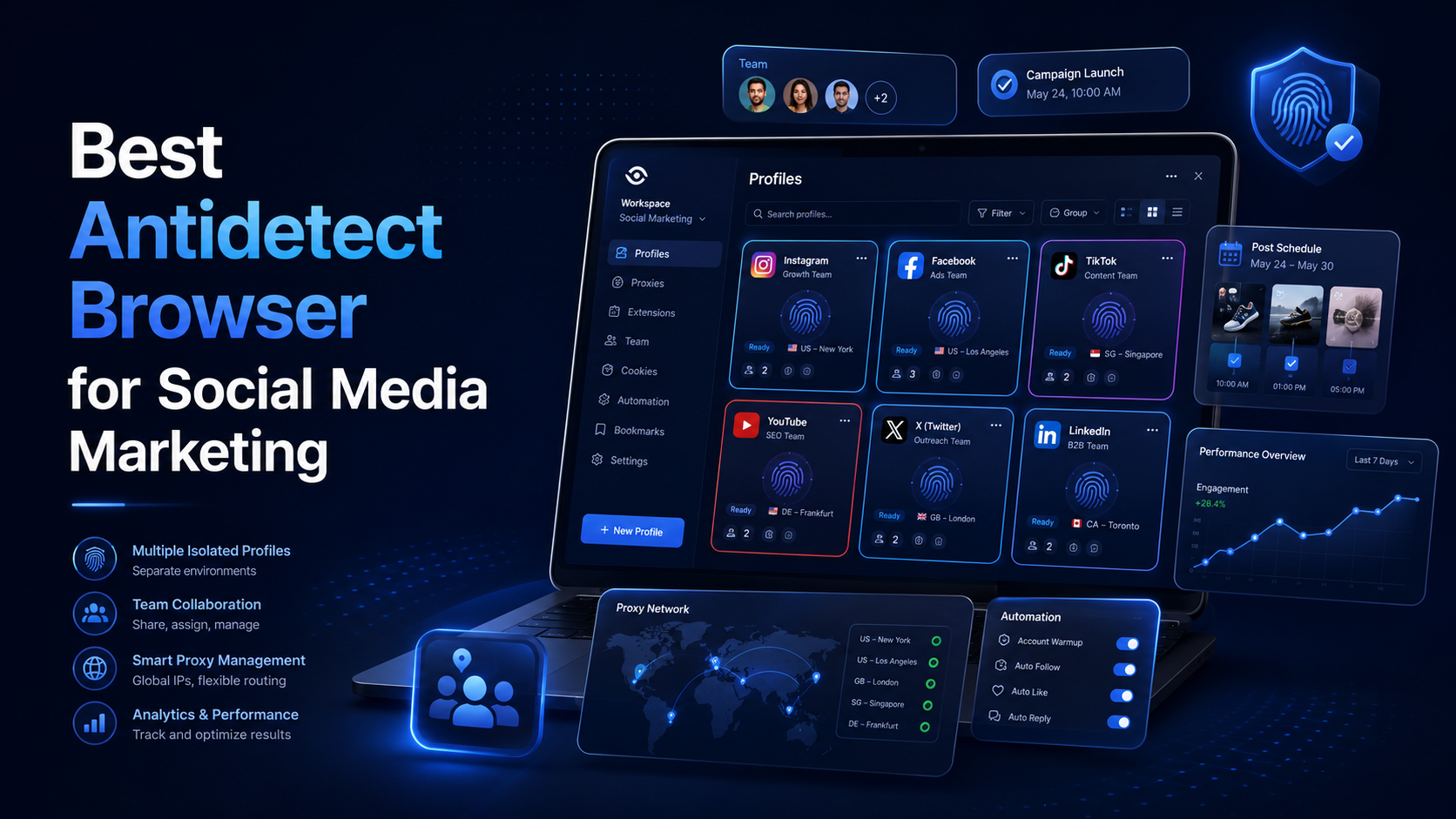
Best Antidetect Browser for Social Media MarketingSocial media marketing is no longer limited to publishing content on one Facebook or Instagram account. Agencies and in-house marketing teams may manage several brands, regional pages, advertising accounts, content calendars, and client workspaces at the same time.This creates an operational challenge. When multiple accounts are opened in the same[…]
