
WLAN is a popular form of wireless networking that allows multiple devices to be connected via radio waves without the use of cables. However, this concept is often confused with WiFi. So are WLAN and WiFi the same thing? Same Hidemium Antidetect Browser Find out more in the following article.
1. What is WLAN?
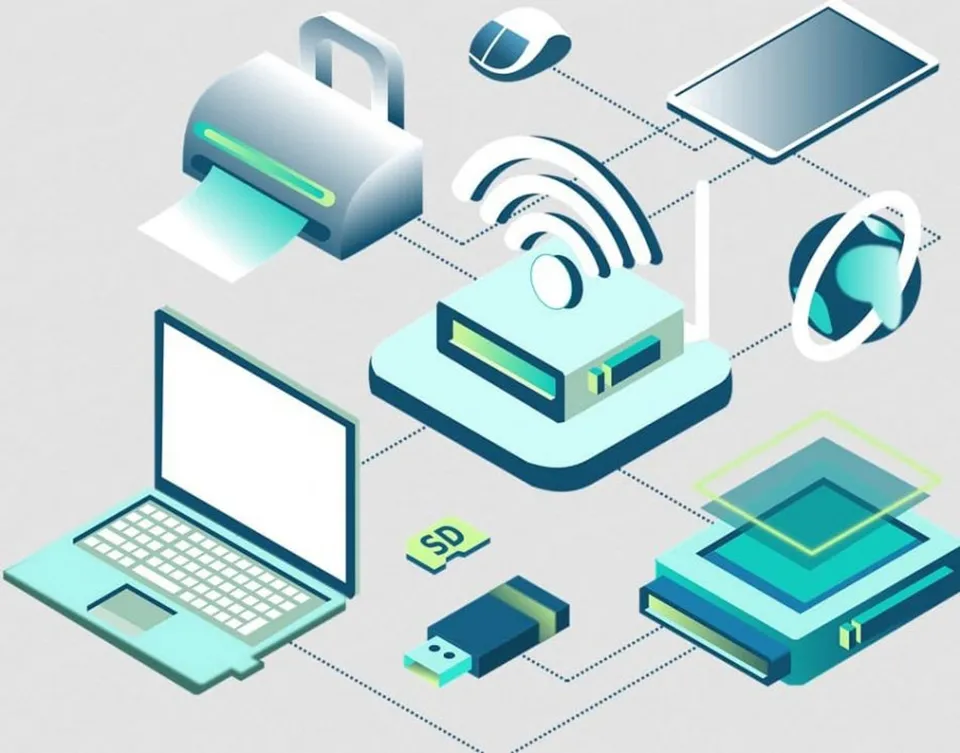
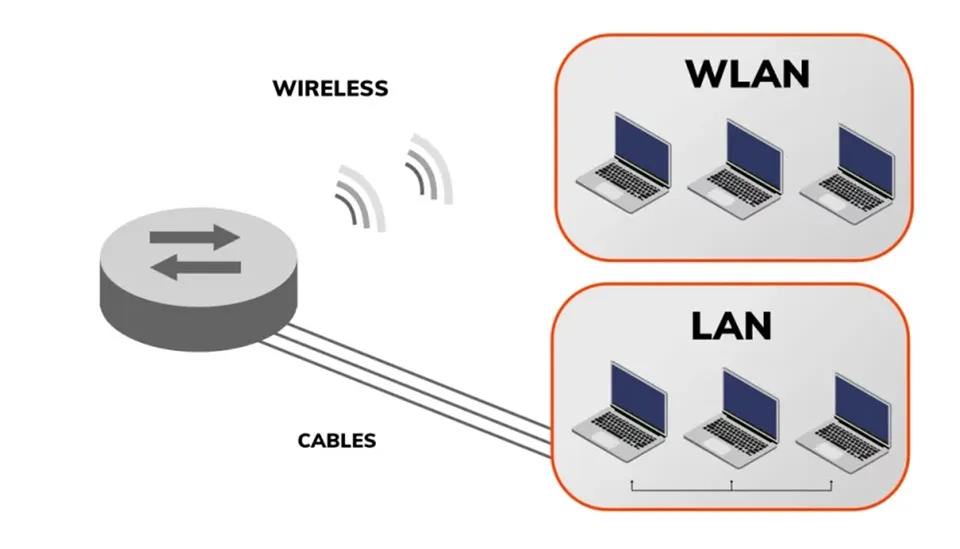
WLAN (Wireless Local Area Network)– wireless local area network – is a network system that allows devices such as computers, smartphones, tablets, etc. to connect to each other via radio waves. The main goal of WLAN is to provide a flexible, easy-to-install and cost-effective network connection solution compared to traditional wired network systems.
>>> Learn more: What is a User Agent? How to change UA on 4 popular browsers
2. How WLAN works
Now that we understand what WLAN is, let's explore how it works in practice.
2.1. Operating principle
Devices in a WLAN system communicate with each other via radio waves. The center of the network is the Access Point (AP)– the device responsible for transmitting signals and receiving data from other devices. When a device needs to send information, the signal will be transmitted to the AP, then the AP will forward it to the destination device correctly.
2.2. Operating frequency range
WLANs typically operate on two main frequency bands:
2.4 GHz: This frequency band has the ability to cover farther and penetrate walls well, but is susceptible to interference due to many devices using the same frequency.
5 GHz: The advantages are faster transmission speed and less interference, but the coverage range is shorter than 2.4 GHz.
>>> Learn more: What is a PAN Network? Advantages, Disadvantages and Applications of PAN
3. The relationship between WLAN and Wi-Fi
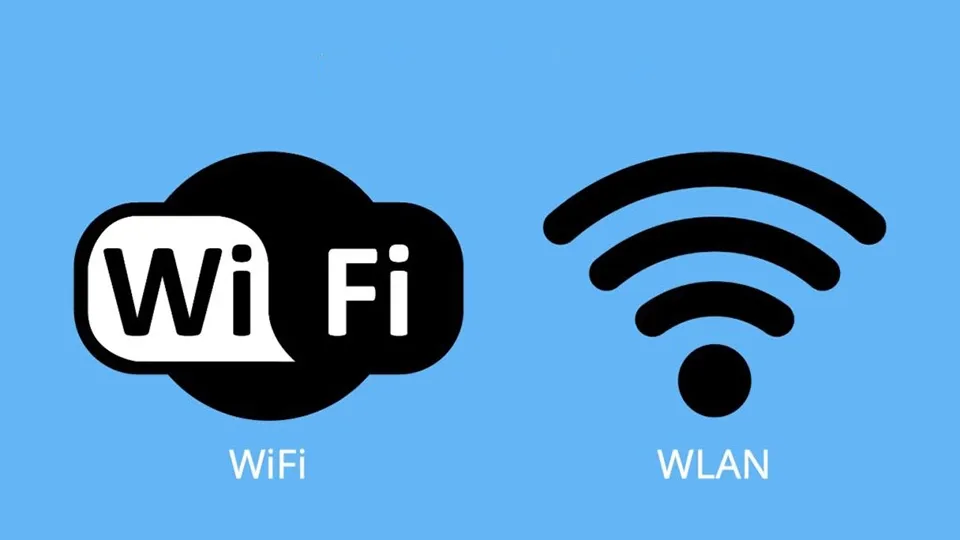
In many cases, the term WLAN and Wi-Fi are often used interchangeably. However, technically, the two concepts are not exactly the same WLAN (Wireless Local Area Network) is a general term for wireless local area networks, while Wi-Fi (Wireless Fidelity) is a specific wireless communication standard, widely used for establishing WLAN networks.
To put it simply, Wi-Fi is a form of WLAN., but not all WLAN systems use the Wi-Fi standard. This difference helps users better understand wireless network technology and choose the right solution for their needs.
>>> Learn more: What is an ISP? Things to Know About Internet Service Providers
4. Distinguishing WLAN and WAN: Two easily confused concepts
WLAN and VAN are two types of networks with completely different functions and scope of application.VAN (Wide Area Network) is designed to connect networks over large distances, spanning hundreds to thousands of kilometers, and can even scale globally. Meanwhile, WLANs operate only within a small scope such as in a home, office or business premises.
Regarding infrastructure, WAN can operate wirelessly via satellite or wired via fiber optic cable, while WLAN uses radio waves and does not require much complex infrastructure. Additionally, WLANs typically support only a limited number of devices., while WAN can serve thousands of users at the same time, suitable for businesses with many branches or organizations operating globally.
5. What are the outstanding advantages of WLAN?
WLAN (Wireless Local Area Network) – also known as wireless local area network – first appeared in the United States, mainly to meet the needs of Internet access in households. At that time, the deployment of network cable systems was limited due to the architectural characteristics of detached houses with gardens, along with the rapid increase of mobile devices such as laptops and tablets. These factors have promoted the strong development of WLAN technology.
Compared with traditional wired networks, WLAN offers many outstanding advantages:
High flexibility: WLAN allows convenient wireless connection, especially suitable for large or complex spaces such as airports, hotels, restaurants, trains, airplanes and public areas, providing flexible mobility for users.
Save on infrastructure investment costs: WLAN deployment does not require complex cabling systems, helping businesses and individual users save significantly on installation and maintenance costs.
Easy to expand and upgrade: WLAN supports flexible equipment upgrades and coverage expansion, suitable for constantly changing technological requirements in the digital age.
Quick and convenient access: As long as they are within the coverage area, users can easily connect to the Internet and network resources without complicated configuration, helping to increase work efficiency and user experience.
>>> Learn more: What is a Gateway? Learn more about network gateways
6. Disadvantages of WLAN to note
Besides the outstanding benefits, WLAN also has certain limitations compared to wired networks:
Higher security risk: Because it uses wireless signals, WLANs are vulnerable to attack or eavesdropping if not properly secured, especially in public environments.
Lower data transfer speed: Although convenient, WLAN speeds are often slower than wired connections, especially when multiple devices are accessing at the same time.
Poor stability: WLAN waves are easily affected by obstacles, signal interference or distance from the hotspot, resulting in unstable or interrupted connections.
7. Effective security solution for WLAN
To enhance the security of WLAN networks - one of the popular wireless connection technologies today - users should implement the following measures:
Use WPA2 or WPA3 encryption standard:These are the most advanced security protocols available today, helping to encrypt transmitted data and prevent unauthorized intrusion from outside.
Set strong password: Passwords should be created with a combination of uppercase and lowercase letters, numbers, and special characters. This helps reduce the risk of brute force attacks.
Turn off SSID broadcasting: Hiding your network name (SSID) will limit the devices that can detect your WLAN, thereby minimizing the risk of unauthorized access.
WLANs are playing an increasingly important role in modern connectivity infrastructures thanks to their flexibility, affordability, and rapid deployment. However, to ensure the safety of personal data and connected devices, attention to wireless network security is indispensable.
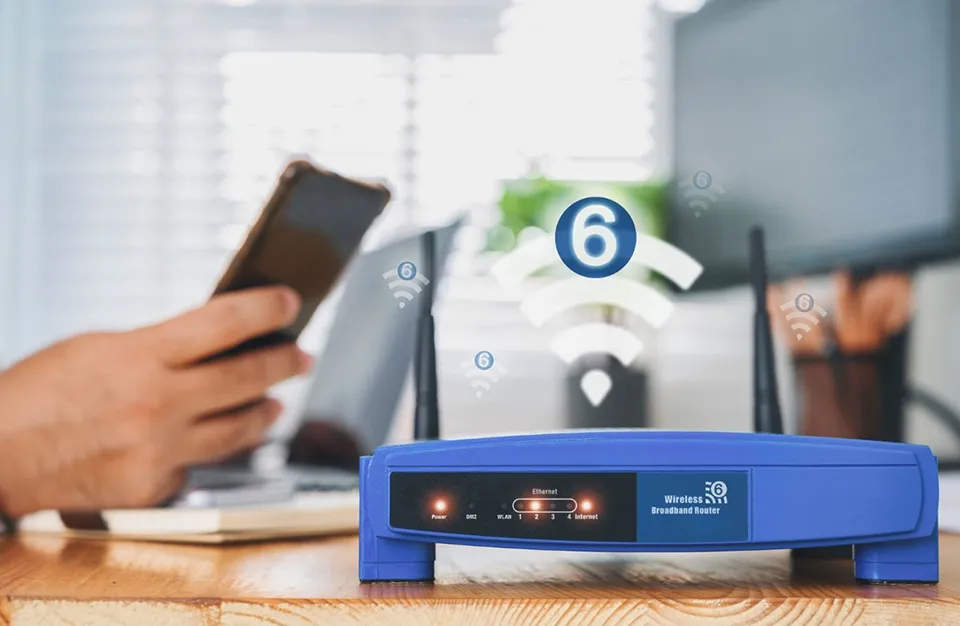
In the future, with the strong development of Wi-Fi 6 and new connection standards, WLAN promises to bring a more stable and faster network experience. Hopefully through this article, Hidemium has helped you understand better What is WLAN?, its benefits, and the importance of applying it WLAN security measures in the digital age
Related Blogs
.png)
Facebook Ads Library is an essential tool for advertisers looking to reach the right audience. It aggregates and displays all active ads on Facebook, making it easier for users to track and study campaigns. In this article, Antidetect Browser Hidemium will delve into Facebook Ads Library, its key features, and how to make the most of it to optimize your marketing strategy.1. What is Facebook Ads[…]

HubSpot’s latest marketing data shows short-form video consistently ranks among the top ROI-driving formats for marketers. That number only matters if people actually click. For freelancers who bill by the hour, every extra minute spent polishing a thumbnail is time that does not get invoiced elsewhere. I learned this the expensive way.I used to open a design file, stare at a blank frame, and[…]

Not having 1000 followers on TikTok doesn't mean you can't make money from this platform. With the right strategy, you can absolutely start doing affiliate marketing right from the first steps. Support from the tool Antidetect Browser Hidemium will help you operate multiple accounts safely, limit risks and optimize marketing effectiveness.1. What is TikTok Affiliate? Why is this form increasingly[…]
.png)
In an era where artificial intelligence is increasingly developing, anti-bot systems and automatic detection mechanisms are also increasingly sophisticated, making finding a antidetect browser Being truly effective is more difficult than ever. However, Hidemium and MuLogin still stand out as two options worth considering with strong anonymity capabilities, helping to maintain stable operations[…]
In the current market, when consumers form an opinion about your business by just taking a glance at your visuals, it is essential to pay attention to your brand identity.The logo, brand colors, slogan, and even fonts and text styles are what make your brand stand out. Especially in 2026, when the market is more competitive than ever before, it is essential to create unique features for your[…]

In the digital era, online platforms such as Facebook, Google, TikTok, Amazon, Shopee, and others continuously leverage AI and Big Data to analyze browser fingerprints, user behavior patterns, and connections between accounts. This puts individuals and businesses managing multiple accounts at high risk of suspension if they lack the right solution. Antidetect browsers have emerged as a “shield,”[…]
