The Algorithmic Anthem: How Smart Data is Rewiring AI Music Production
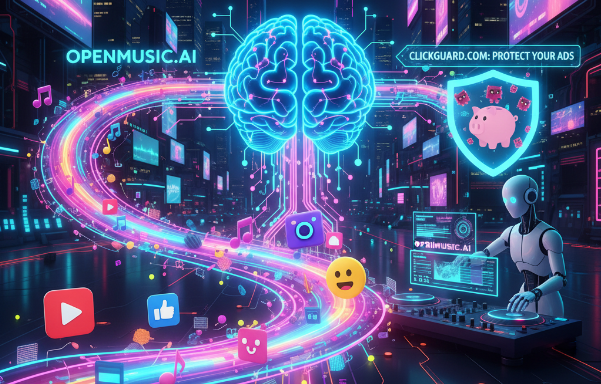

The Catalyst: Why We Need a Sonic Revolution
The digital content landscape is expanding at a breakneck pace. Every day, millions of videos, podcasts, and digital ads are pushed online. Sound is half of this digital experience.
However, the demand for high-quality audio has outpaced human output. Creators are constantly hungry for fresh, engaging beats. They need music that fits their specific mood and message perfectly.
This growing audio deficit is driving a massive shift. Artificial intelligence has stepped in to fill the void. AI music production is no longer a futuristic concept; it is an active, daily utility for thousands.
The Bottleneck: Where Traditional Beats Fail
Creating music the traditional way is an intricate craft. It requires expensive studio time, physical instruments, and years of sound engineering experience. For the average content creator, this barrier to entry is simply too high.
Furthermore, music licensing is a legal minefield. Licensing popular tracks can cost thousands of dollars per video. Even royalty-free stock libraries present issues.
Stock music is often generic and overused by competing brands. Worst of all, sudden copyright strikes can instantly demonetize a creator's hard work. The modern internet demands a faster, safer, and more scalable audio solution.
Enter the Code: A Deep Dive into OpenMusic AI
To understand this shift, we have to look at the tools driving it. A prime example of this technological leap is OpenMusic AI. This platform represents how machine learning is democratizing sound creation.
It is an AI Music Generator designed to turn simple text prompts into full audio tracks. Users do not need to know how to read sheet music. They do not need to understand complex digital audio workstations (DAWs).
Instead, the software translates human emotion and descriptive text into musical data. It bridges the gap between a creator’s imagination and a finished MP3 file. But the real magic lies in how the system actually understands music.
The Smart Data Engine Behind the Chords
AI music production relies entirely on smart data. Platforms like OpenMusic AI are trained on vast, legally sourced audio datasets. The AI analyzes millions of audio stems to understand musical theory.
It learns the mathematical relationship between tempo, genre, and emotional resonance. Smart data allows the algorithm to know why a minor chord sounds sad. It knows exactly where a bass drop belongs in an electronic dance track.
This is not random generation. It is highly calculated pattern recognition powered by deep learning data. Smart data ensures the output sounds structured, rhythmic, and pleasing to the human ear.
From Prompt to Playback: Crafting Your First Track
Using an AI music generator is remarkably straightforward. The workflow is designed for speed and efficiency. You begin by typing a descriptive text prompt.
For example, you might type "upbeat lo-fi hip hop for a morning vlog." The AI then accesses its trained data to assemble the appropriate instruments and rhythms. Within seconds, it generates multiple variations of the requested track.
From there, users can tweak the output. You can adjust the tempo, change the primary instruments, or extend the duration. Finally, you download the track, ready to drop straight into your video timeline.
Viral Sounds: Fueling Short-Form Video Marketing
Music is the lifeblood of short-form video platforms. TikTok, Instagram Reels, and YouTube Shorts run on audio trends. Sound is often the hook that stops a user from scrolling past a video.
For social media marketers, AI music is a game-changer. Brands can now generate unique, catchy beats tailored to specific campaigns. They no longer have to rely on the exact same trending sounds as their competitors.
Custom AI audio helps brands build a unique sonic identity online. If a generated track goes viral, the brand owns that audio asset completely. This eliminates copyright risks while maximizing digital engagement and social sharing.
The Highs and Lows of Machine-Made Melodies
Like any disruptive technology, AI music generation comes with distinct advantages and drawbacks. The biggest pro is unmatched speed and cost-efficiency. Creators can generate infinite, copyright-safe tracks in minutes for a fraction of traditional costs.
However, there are valid limitations to consider. AI tracks can sometimes lack the nuanced "soul" or slight imperfections of a human performance. Complex prompts might occasionally yield messy or chaotic audio results.
Additionally, there is an ongoing industry debate regarding training data ethics. Purists argue that algorithms cannot replicate genuine artistic intent. Therefore, AI is best viewed as an impressive tool, rather than a total replacement for human musicians.
Who Actually Needs a Digital Sound Engineer?
The ideal users for platforms like OpenMusic AI are highly diverse. Digital marketers and agency video editors use it to speed up ad production. They need reliable background tracks that won't trigger copyright claims.
Social media influencers use it to create unique sounds for daily vlogs. Indie game developers rely on AI to generate hours of ambient background music on a tight budget. Podcast hosts use it to craft custom intro and outro themes.
Essentially, anyone who needs high-volume, functional audio is a perfect fit. It is built for the creator economy, not necessarily for concert halls.
The Digital Gold Rush: Shaping the Audio Market
AI is accelerating the digital commercialization of music. Audio is rapidly becoming a scalable, on-demand digital commodity. This is shifting how the creative market values sound.
Traditionally, music was a scarce resource protected by heavy gatekeeping. Now, intelligent algorithms are flooding the market with accessible audio. This drives down basic production costs and creates a new micro-licensing economy.
We are seeing the rise of "utility music" in the digital market. While premium, human-made music retains high cultural value, functional background music is becoming fully automated. AI is reshaping the financial structure of digital content creation.
The Final Mix: Co-Existing with the Algorithm
The intersection of AI and music production is not a passing trend. It is a fundamental evolution in how we interact with sound. Smart data has successfully turned audio creation into an accessible digital interface.
Tools like OpenMusic AI prove that the barrier between an idea and a soundtrack has vanished. This technology empowers independent creators to produce higher-quality content faster. It solves real-world workflow and legal problems for modern digital marketers.
Ultimately, artificial intelligence will not silence human creativity. Instead, it acts as a new kind of instrument for a digital age. It gives a voice to those who previously could not afford to make a sound.
Related Blogs

How to Change MAC Address on Mac: Complete Privacy GuideIn today's hyper-connected world, protecting your digital identity has never been more important. Every time your Mac connects to a network, it broadcasts a unique hardware identifier that can be logged, tracked, and used to build a profile of your behavior. If you've ever wondered how to change MAC address on Mac, you're not alone — it's[…]

How to Protect Against Browser FingerprintingBrowser fingerprint protection: Quick answerBrowser fingerprint protection is the process of reducing how unique and trackable your browser looks online. The best approach is not one single tool. It is a layered system: use privacy-focused settings, avoid unusual configurations, separate browser profiles, control cookies and storage, keep fingerprint[…]

Selling on Etsy in 2026 is still one of the easiest ways to start an online business, but it’s no longer as simple as uploading a product and waiting for sales. The platform has grown significantly, with millions of buyers actively searching for specific products every day. That means opportunity is still there, but competition has increased, and only sellers with a clear strategy tend to[…]
A Suspended Google Adwords account adversely affects the work and business performance of the business when interrupting the advertising campaign. So how to fix and limit the suspension of your account in Google Adwords advertising? Let’s find out through the article!Account suspension due to related errors violates Google Ads policies1. Dodge the systemModify the ad element (text, video, image,[…]
Agility in business used to mean fast reactions—responding quickly to change. Today, agility means anticipation: the ability to see patterns before they unfold and act with precision. Yet this level of awareness can't come from instinct alone. It comes from data—and more importantly, from how that data moves between people, processes, and decisions.A CRM app may reveal customer behavior, but[…]
.png)
In the digital era, no-code automation has become an essential trend for individuals and businesses to optimize their workflows. However, many people struggle with automation due to a lack of coding skills, making repetitive task automation seem out of reach.So how can someone with no coding background still create powerful automation scripts?The answer lies in the AI Prompt Script on Hidemium –[…]
